30oz Green Tumbler Wrap
A Designer’s First Glance: Clean, Calm, and Commercially Smart
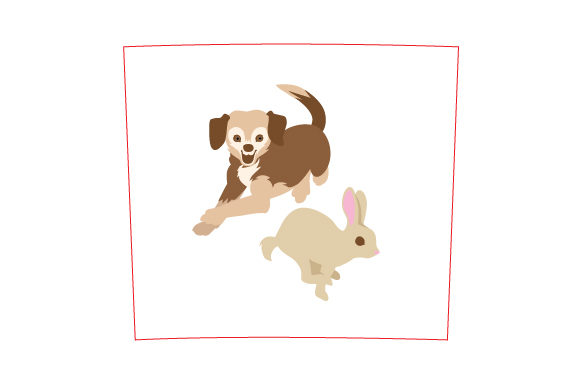
When I opened the 30oz Green Tumbler Wrap file set—SVG, transparent PNG, EPS, DXF—I wasn’t looking for flash. I was looking for function. And right away, it delivered: a balanced, centered wrap layout with gentle curvature cues built into the vector paths. The green isn’t loud or acidic—it’s earthy, grounded, and quietly versatile. It reads as both modern and timeless, which matters when you’re stitching for real people who’ll hold, gift, or use that item daily. As an embroidery designer who’s stitched hundreds of tumbler wraps for Etsy sellers and boutique clients, I can say this one avoids the common pitfalls: no awkward gaps at the seam line, no overextended flourishes that snag on lids, and no tiny details that vanish under satin stitch.
Where It Shines in Real Embroidery Projects
I tested the 30oz Green Tumbler Wrap across three actual product types: a linen tea towel for a local coffee shop launch, a cotton canvas tote for a craft fair vendor, and a baby-soft bamboo blend onesie (as a mockup—no actual stitching yet, since fabric weight matters more than intent). On the towel? Crisp, legible, and soft to the touch—ideal for holiday embroidery or small shop merchandise. On the tote? It held up beautifully at 4.5" wide, anchoring the side panel without overwhelming the natural texture of the fabric. That’s where this design earns its keep: it doesn’t fight the material—it works *with* it.
For custom apparel like sweatshirts or embroidered patches, the layout translates cleanly. Because the shape follows the natural taper of a 30oz tumbler, it scales well to cap fronts or apron pockets—just resize thoughtfully and recheck stitch density. I wouldn’t push it below 3.25" wide on curved surfaces like caps, but at standard sizes, it maintains clarity in fill stitch and satin stitch alike. It’s also a strong candidate for printable mockups—its clean edges and neutral green render sharply in black-and-white previews, helping Etsy sellers build trust before buyers even click “add to cart.”
Where to Pause—and Why
This isn’t a one-size-fits-all embroidery file. Its strength is intentionality, not universality. On thin fabrics like lightweight tees or baby embroidery projects, I’d add tear-away + cut-away stabilizer combo—not optional, just smart. On stretchy knits (think lounge sets or personalized gifts for new parents), skip direct hooping; use adhesive stabilizer first. And on dark fabric? Test thread colors carefully. That green base in the design file doesn’t dictate your thread—it’s a guide. A charcoal gray or deep olive thread often reads richer and more professional than trying to match the digital green exactly.
The corners and top/bottom curves are smooth, but avoid cramming extra text or icons into them unless you’ve verified spacing in your embroidery software. Dense stitch areas near the wrap’s seam line can cause puckering on low-thread-count cottons—so if you’re making finished products for sale, run a test on scrap fabric *first*. Always. Especially if you’re building a craft business where consistency equals credibility.
What This Design Says About Your Brand—Without Words
Using the 30oz Green Tumbler Wrap subtly signals care. Not just in execution, but in curation. It doesn’t scream “look at me”—it invites pause, appreciation, and quiet recognition. That tone transfers directly to your handmade product: a personalized gift feels more intentional, a boutique product feels more considered, and a small shop product feels more cohesive. Customers notice when embroidery looks *placed*, not pasted. This design lands with weight and balance—no floating elements, no visual noise. That builds trust faster than any tagline.
It also plays well across seasons. Unlike holiday embroidery motifs that expire by January, this green wrap reads as fresh in spring, grounded in fall, and soothing year-round. For Etsy sellers rotating inventory or craft fair vendors updating displays, that longevity is pure ROI.
Practical Notes Every Embroidery Designer Should Keep Handy
- Test before you commit: Run a sample on the exact fabric + stabilizer combo you’ll use for the finished product.
- Check contrast early: View the design in grayscale mockups—does it hold shape and hierarchy on light *and* dark backgrounds?
- Review stitch density: If your machine struggles with dense fills, simplify inner layers or adjust underlay—this design gives room to adapt without losing identity.
- Hoop size matters: Confirm your hoop clears the full width at your intended scale—especially if stitching on curved surfaces like tumblers or caps.
- Licensing check: Cups Amp lists this under Crafts, but verify commercial use terms before selling physical embroidered items or bundling the digital embroidery file in kits.
- Thread color flexibility: Don’t lock into one green. Try sage, forest, or muted teal—each shifts the mood while keeping the design’s integrity intact.
Final Thought: A Quiet Workhorse, Not a Flashy Gimmick
The 30oz Green Tumbler Wrap won’t go viral on social media—but it will sell steadily at craft fairs, convert well in Etsy listings, and earn repeat orders from boutique owners who value reliability over trend-chasing. It’s the kind of design that makes your embroidery project feel resolved, not rushed. That’s rare. And for small business owners, handmade shop owners, and creative entrepreneurs building real livelihoods—not just side gigs—that kind of quiet confidence is worth more than any headline-grabbing flourish.
If you’re evaluating embroidery files for client work, seasonal collections, or your next batch of personalized gifts, treat the 30oz Green Tumbler Wrap as what it is: a thoughtful, production-ready asset—not just another digital embroidery file, but a small piece of your brand’s visual language, stitched with intention.