Hand-Drawn Vector Bundle
First Impressions: Warm, Unfussy, and Ready for Real Life
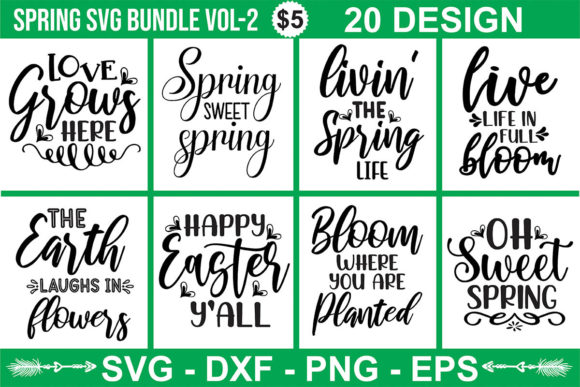
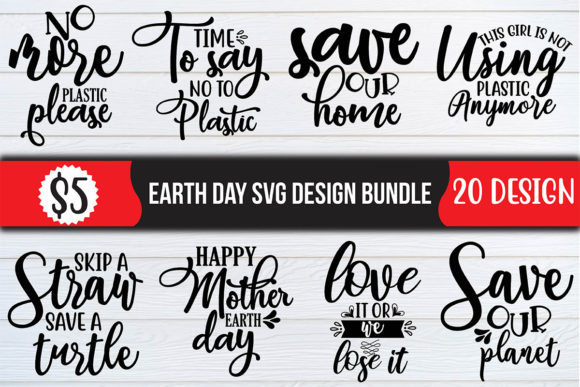
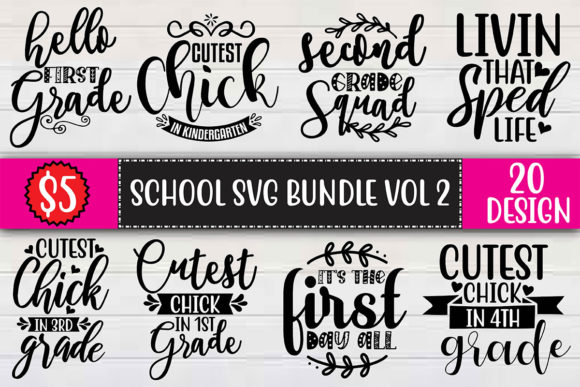
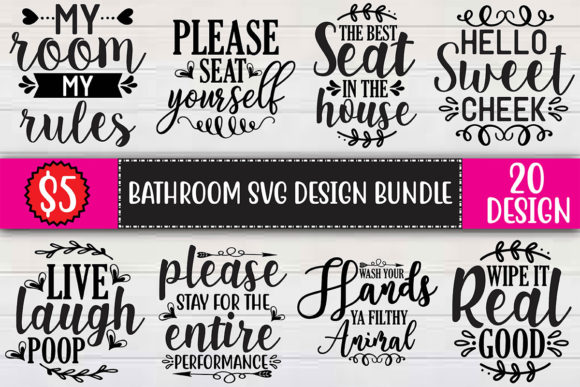
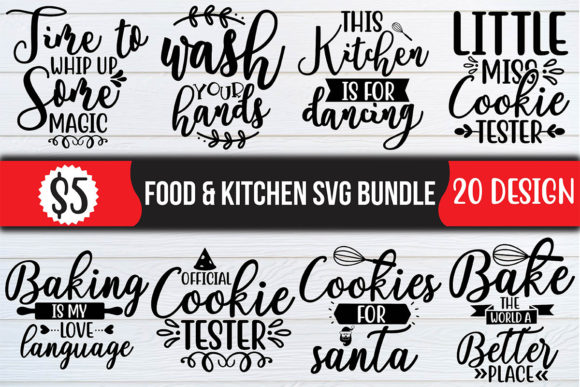
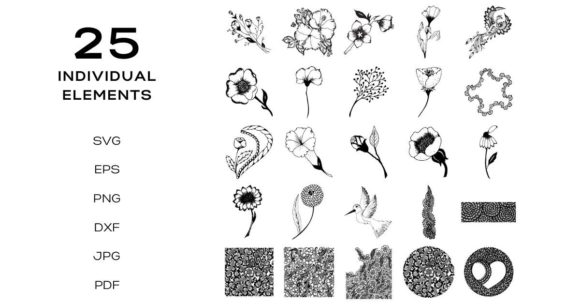
Opening the Hand-Drawn Vector Bundle feels like flipping through a well-loved sketchbook—loose linework, gentle curves, and intentional imperfections. There’s no rigid symmetry or over-polished geometry here. Instead, it’s a collection that breathes: botanical motifs with soft leaf veins, hand-lettered phrases with slight tapering, tiny icons drawn with visible pen pressure. It doesn’t shout. It invites. That’s its strength—and also where your judgment as an embroidery designer begins.
A Real Project Test: Custom Embroidered Linen Tea Towels for a Local Kitchen Boutique
Last week, I prepped three linen tea towels for a small-batch order—each featuring a different motif from the Hand-Drawn Vector Bundle. Why tea towels? Because they’re unforgiving: loose weave, minimal stabilizer tolerance, and frequent washing. If this bundle holds up here, it’ll hold up almost anywhere.
The first design—a looping “Brew Well” script with a single sprig—stitched cleanly on medium-weight linen using a light cutaway stabilizer. Satin stitch outlines stayed crisp; fill stitches in the leaves remained open and breathable, not dense or puckering. Customers later commented on how “handmade” it felt—not in a sloppy way, but in a warm, considered way. That’s the mood the Hand-Drawn Vector Bundle delivers consistently: authenticity without sacrificing clarity.
Where It Shines (and Why)
- Custom apparel: Works beautifully on sweatshirt embroidery and tote bag design—especially when you want texture and tactility over flash. The organic line weight translates well to running stitch outlines and low-density fill areas.
- Baby embroidery and nursery decor: Soft shapes and rounded corners avoid harsh edges—ideal for onesies, burp cloths, and wall hangings where gentleness matters visually and physically.
- Holiday embroidery and personalized gifts: Think embroidered ornaments, patch-adorned stockings, or monogrammed kitchen towels. The designs feel special without being ornate—perfect for gifting where sincerity outweighs spectacle.
- Small shop product and Etsy seller appeal: These motifs photograph well in natural light, scale gracefully across mockups, and pair effortlessly with neutral packaging. They support brand consistency without demanding a rigid visual system.
- Embroidered patch and applique design potential: Several motifs have clear outer boundaries and internal negative space—ideal for clean-cut patches or layered fabric appliqué.
Where to Pause—and Plan Ahead
This isn’t a plug-and-stitch bundle for every surface. Its charm lives in its looseness—but that same quality demands thoughtful execution.
On stretchy fabric, like lightweight knits or ribbed baby bodysuits, tight satin stitch sections can distort. I recommend testing with reduced density or swapping dense fills for alternating satin and running stitch rhythms. On dark fabric, fine interior details—like delicate stems or thin connecting lines—can disappear unless you choose high-contrast thread colors. And on curved surfaces like caps, avoid motifs with long horizontal scripts; they’ll warp unless digitized with underlay and careful pull compensation (which the Hand-Drawn Vector Bundle doesn’t include—it’s a vector source, not a machine embroidery file).
Also worth noting: tiny lettering in some motifs sits close to the edge of legibility at under 3/8". If you’re stitching on a small hoop size or planning for tiny finished products (like enamel pin mockups or micro-patches), zoom in before digitizing. What reads as charmingly sketchy on screen may become muddy in thread.
Design Integrity Meets Customer Trust
When your customer sees an embroidered item made from the Hand-Drawn Vector Bundle, they don’t just see a design—they sense intention. That matters. In a market flooded with generic clipart and over-digitized fonts, this bundle signals care. It supports handmade presentation without requiring advanced digitizing skills—but it *does* reward them. A well-executed version builds customer trust faster than a technically perfect but emotionally flat design ever could.
I’ve watched buyers linger longer on listings using these motifs—not because they’re flashy, but because they feel *human*. That translates directly to engagement, repeat orders, and word-of-mouth referrals among craft-conscious audiences.
Practical Notes Every Embroidery Designer Should Keep Handy
- Always test the Hand-Drawn Vector Bundle on scrap fabric first—especially if pairing with textured or unstable materials.
- Check thread color contrast early. Try your top three options in black-and-white mockups to verify readability.
- Review stitch density manually. Vector bundles don’t auto-optimize for embroidery—so adjust fill angles and densities based on fabric weight and desired drape.
- Confirm hoop size compatibility. Some motifs span wider than standard 4x4 hoops—plan for re-hooping or larger frames.
- Inspect small details at 200% zoom. Tiny loops, intersecting lines, or overlapping elements may need cleanup before digitizing.
- Compare performance on light vs. dark fabric backgrounds. What reads softly on ivory may vanish on navy.
- Use proper stabilizer—light cutaway for stable wovens, tear-away for stable knits, and fusible + tear-away for sheer or slippery fabrics.
- Verify licensing before selling finished products or digital embroidery files. This bundle is marketed for craft projects and plotter cutting—but commercial use terms vary by seller.
Final Thought: Not Just a Bundle—A Design Mindset
The Hand-Drawn Vector Bundle isn’t about filling space. It’s about honoring the rhythm of the hand, the quiet confidence of simplicity, and the unspoken connection between maker and user. It works best when you treat it not as a shortcut, but as raw material—something to interpret, adapt, and anchor in real context. Whether you’re stitching a holiday gift for a friend or scaling a line of boutique-branded aprons, this bundle gives you room to breathe, to edit, and to mean something with every stitch.