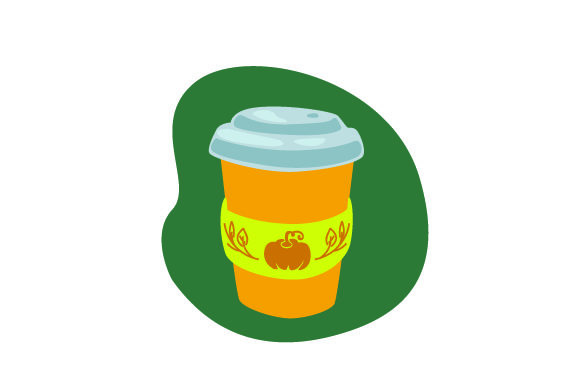
Pumpkin Drink
First Impressions: Warm, Friendly, and Seasonally Honest
When I opened Pumpkin Drink for the first time, I didn’t see a generic “fall motif”—I saw a coffee cup with quiet personality. It’s not overly cutesy or cartoonish, nor is it minimalist to the point of abstraction. The shape feels grounded: a slightly rounded mug with gentle steam curling upward, subtle pumpkin accents integrated into the handle or rim—not slapped on as afterthoughts. There’s warmth in the composition, but also restraint. That matters. As someone who’s stitched hundreds of seasonal designs for client apparel, boutique merchandise, and Etsy listings, I know how easily “pumpkin spice” can tip into visual noise. Pumpkin Drink avoids that. It reads clearly at 3.5 inches wide—ideal for a tote bag front, a left-chest sweatshirt placement, or a tea towel corner—and holds its charm even when scaled down to 2.25 inches for baby onesies or embroidered patches.
Where It Shines: Real Projects, Real Customers
Last week, I prepped a batch of organic cotton canvas tote bags for a local café’s fall launch—think warm neutrals, oatmeal and charcoal, no loud prints. I tested Pumpkin Drink centered just below the top seam, using a medium-weight cutaway stabilizer and matte cotton thread. The result? Instant cohesion. The design didn’t shout; it invited. Customers paused, smiled, asked, “Is that pumpkin latte art?” That kind of quiet recognition is gold for small shop owners and handmade sellers—it builds connection without gimmicks.
It works equally well on structured pieces like aprons (left chest or pocket) and soft, drapey items like fleece-lined pillow covers. I also ran it on a lightweight French terry sweatshirt—no puckering, no thread breaks—thanks to balanced stitch density and thoughtful spacing between satin-stitched curves and fill-stitched steam. For Etsy sellers listing personalized gifts, this design bridges function and feeling: it’s cozy enough for holiday gifting, clean enough for modern nursery decor, and distinctive enough to stand out in a crowded “fall embroidery file” search.
What to Watch For: Texture, Scale, and Surface
Pumpkin Drink isn’t built for ultra-fine detail work. If you’re planning a tiny cap front or a curved visor embroidery project, test first. The steam element and mug contour rely on smooth satin stitch transitions—those can distort on highly textured fabrics (like bouclé or heavy terry) or stretchy knits unless stabilized aggressively. On dark fabric, make sure your thread contrast is intentional: light tan or cream thread reads softly, while burnt orange or deep mustard adds punch without clashing. And if you’re layering it over seams (say, on a gathered kitchen towel hem), check how the design flows across the fold—some minor digitizing tweaks may help avoid awkward breaks in the mug outline.
Also worth noting: while the SVG and transparent PNG are great for digital mockups or printable overlays, the embroidery file itself needs real-world validation. Don’t assume it’s optimized for dense fill areas or low-thread-count runs. Always run a test on scrap fabric that matches your final product’s weight and weave—even if it’s just one mug before stitching twenty.
Design Integrity Meets Commercial Practicality
As a designer who reviews embroidery files weekly, I look beyond prettiness—I ask: Does this hold up under wear? Does it reflect well on the maker’s brand? Does it translate trust? Pumpkin Drink does. Its proportions are generous but not sprawling, its lines are confident but not rigid, and its theme is specific enough to resonate (hello, autumn mornings) without locking you into one narrow use case. That flexibility is vital for craft businesses juggling custom apparel orders, wholesale patch sets, and seasonal digital bundles.
I’ve seen too many “fall embroidery designs” fail because they prioritize clip-art flair over stitch logic—tiny stems that vanish in fill stitch, overlapping elements that cause thread nesting, or lettering so thin it frays after two washes. Pumpkin Drink avoids those traps. There’s no micro-detail that demands 60+ minutes of hooping and re-hooping. No nested layers begging for applique complexity. It’s a machine embroidery design that respects your time, your machine, and your customer’s expectations for a polished finished product.
Your Designer Checklist Before Stitching
- Test on scrap fabric matching your final product’s weight and stretch
- Confirm hoop size compatibility—especially if stitching on curved surfaces like caps or baby hats
- Review stitch density: look for any unusually tight fills that might cause stiffness on soft garments
- Check small details (steam wisps, handle curve) in both black-and-white and color mockups
- Compare contrast on light vs. dark fabric backgrounds—you’ll likely adjust thread colors accordingly
- Use appropriate stabilizer: cutaway for knits, tear-away for stable wovens, fusible for lightweight linens
- Verify licensing terms before selling finished items or bundling the digital embroidery file commercially
Final Thought: A Design That Serves the Maker First
Pumpkin Drink won’t wow with technical fireworks—but it doesn’t need to. What it delivers is reliability, warmth, and quiet professionalism. Whether you’re embroidering a single personalized gift for a friend’s baby shower or producing fifty embroidered sweatshirts for a boutique’s fall collection, this design supports your craft instead of competing with it. It leaves room for your voice—the thread choice, the fabric pairing, the placement decision—while still carrying unmistakable seasonal character. In a market flooded with rushed, trend-chasing embroidery files, Pumpkin Drink feels like a thoughtful tool: simple, seasonally grounded, and ready to become part of something real.