Starbucks Cup SVG, Measure 100
A Designer’s First Glance: Clean, Recognizable, and Purpose-Built
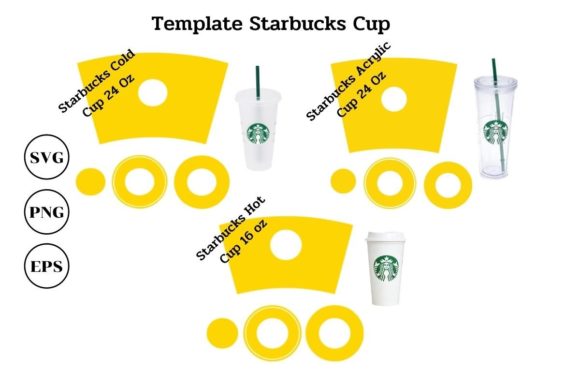
Opening Template for Starbucks Cup SVG, Measure 100 feels like unboxing a well-considered tool—not flashy, but immediately functional. The cup shape is balanced, the handle proportionate, and the overall silhouette reads clearly at a glance. It doesn’t try to mimic every contour of an actual Starbucks tumbler; instead, it distills the brand’s visual shorthand into something that translates cleanly to stitch. As an embroidery designer who regularly tests files for client work, I appreciate how this design leans into simplicity without sacrificing character. It’s not overly detailed—no tiny logos or gradients—but that’s a strength here. This isn’t meant for photorealistic applique; it’s built for confident, readable embroidery on real-world items.
Real Project Test: A Custom Embroidered Tote for a Local Café Pop-Up
Last week, I used Template for Starbucks Cup SVG, Measure 100 to create a limited-run embroidered tote bag for a small-batch coffee roaster’s weekend market stall. We weren’t replicating Starbucks—we were riffing on the universal “coffee lover” motif, and this file gave us instant visual cohesion. Stitched in matte black thread on natural canvas, the cup held its shape beautifully: clean satin-stitched edges, open negative space where the cup’s body sits, and just enough curve in the handle to feel intentional. Customers paused, smiled, and said, “Oh—that’s *so* coffee.” That kind of quiet recognition is gold for handmade product appeal.
Where It Shines—and Where to Pause
This embroidery file works especially well on medium-weight, stable fabrics: cotton twill for aprons, brushed poly-cotton for sweatshirts, linen-blend tea towels, and midweight canvas for tote bags. On baby onesies or lightweight tees? Proceed with care—check stitch density first. The design’s open areas help reduce bulk, but fine details (like the subtle taper of the cup rim) can blur on thin or stretchy fabric without proper cutaway stabilizer.
For curved surfaces—think caps or knit beanies—I’d recommend testing on scrap first. The cup’s vertical orientation holds up better than wide, horizontal motifs, but the handle’s curve needs gentle hooping to avoid distortion. On dark fabric, use a light thread or add a subtle underlay; on textured surfaces like terry cloth or bouclé, simplify thread choices and consider slightly larger stitch lengths to maintain clarity.
What Makes It Feel “Finished,” Not Just “Applied”
Template for Starbucks Cup SVG, Measure 100 supports strong handmade presentation because it avoids visual clutter. There’s no unnecessary interior line work, no dense fill stitches competing for attention—just confident outlines and intentional negative space. That breathability helps the finished product feel intentional, not rushed. For Etsy sellers or boutique owners, that translates directly to perceived value: customers see craftsmanship, not just decoration. It also scales well across product types—whether stitched alone as a minimalist patch or paired with a simple monogram on a pillow cover, it keeps the focus on quality execution.
Practical Notes Every Embroidery Designer Should Check
- Test before committing: Run a sample on scrap fabric matching your final project’s weight and texture—even if you’ve used similar files before.
- Review thread color contrast: This design relies on shape and silhouette. On low-contrast fabric/thread combos, stitch definition softens. Try black thread on oatmeal linen or cream on charcoal—it pops without shouting.
- Confirm hoop size compatibility: While “Measure 100” suggests approximate dimensions, verify the actual file width and height against your machine’s maximum hoop capacity. Don’t assume.
- Inspect small details: Zoom in on the cup’s rim and handle junction. Are corners sharp enough for satin stitch? Does the curve flow smoothly? If vector points look jagged at 400%, clean them before digitizing.
- Mock it both ways: Preview in black-and-white and grayscale mockups. Does the shape hold up without color cues? That’s how your customers will first experience it.
- Stabilizer matters: Use medium-weight cutaway for knits, tear-away for stable wovens. Skip the lightweight mesh—it won’t support the cup’s clean edges on heavier stitching.
- Licensing check is non-negotiable: Since this is labeled a digital download for Graphics and Illustrations, confirm whether commercial use (e.g., selling embroidered totes on Etsy) is permitted. When in doubt, contact the seller—don’t risk a takedown.
Not Just for Coffee Lovers—A Versatile Design Asset
Yes, the inspiration is clear—but Template for Starbucks Cup SVG, Measure 100 functions equally well as a generic “hot beverage” motif. Flip it horizontally for left-chest placement on sweatshirts. Layer it beneath a custom name or date for personalized holiday gifts. Use the SVG version to resize cleanly for iron-on patches or printable mockups. As a craft business owner, I keep files like this in my “quick-win” folder—not because they’re basic, but because their reliability frees me up to focus on fit, finish, and customer connection.
Final Thought: Clarity Over Complexity
In a landscape crowded with over-digitized, hyper-detailed embroidery files, Template for Starbucks Cup SVG, Measure 100 stands out by respecting the medium. It knows what stitch can do—and what it shouldn’t be asked to do. It’s not trying to be everything. It’s trying to be one thing, exceptionally well: a clean, recognizable, stitch-ready cup motif that elevates a handmade product without overwhelming it. For small shop owners, Etsy sellers, and embroidery designers building real inventory—not just pretty previews—that kind of thoughtful restraint is rare, and valuable.